
I’ve been working in student housing in Lancaster for over ten years, helping young people and their families find safe, comfortable homes during university years. In my experience, a student house isn’t just a roof over your head—it can shape Lancaster Student House, and even friendships. Choosing the right property is about more than rent; it’s about location, layout, management, and how the environment supports both independence and responsibility.
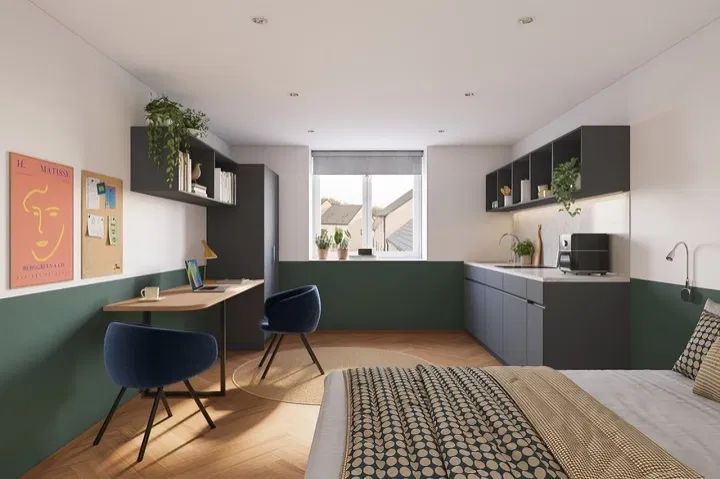
One of the first student houses I managed was a Victorian terrace near the city center. A group of first-year students had just moved in, eager to experience independence. Within weeks, I noticed that small design choices, like shared kitchens with limited counter space, were already influencing their routines. Some students cooked less because it was inconvenient, while others bonded over meal prep. That experience taught me that the practical aspects of a house—room sizes, storage, communal spaces—can be just as important as aesthetics when considering student living.
A situation from last spring sticks out vividly. A student contacted me frustrated about recurring maintenance issues: a leaking bathroom tap, a stubborn heater, and a broken window latch. While the property was otherwise comfortable and well-located, these small problems were adding stress to daily life. After arranging timely repairs and personally checking the property, the student reported feeling significantly more at ease. Over the years, I’ve found that responsive management is often what distinguishes a positive student housing experience from a frustrating one. Even small delays in maintenance can affect study schedules and wellbeing, so landlords and property managers need to be proactive.
Another memorable example involved a group of international students living in a larger shared house. They initially struggled with chore distribution and noise management. I organized a brief orientation meeting, encouraging clear communication and simple shared rules. By the following week, they had established a routine that worked for everyone, and the house atmosphere improved dramatically. From my perspective, the ability to mediate and guide students in managing shared living responsibilities is as critical as the physical property itself.
I’ve also observed that location plays a key role in student satisfaction. Houses close to campus, supermarkets, and public transport reduce stress and commuting time. One student I worked with lived slightly further from campus and quickly realized how much extra time and cost that added each week. We were able to transfer her to a closer property mid-term, and her academic engagement and overall satisfaction increased noticeably. Location isn’t just convenience—it’s part of the support system students rely on while adjusting to university life.
In my experience, common mistakes students make include prioritizing rent over functionality, overlooking the landlord’s responsiveness, or underestimating the importance of communal spaces. A student house should be more than a place to sleep; it should support study, social interaction, and personal growth. I’ve found that when these elements are aligned, students feel more independent, responsible, and content during their time away from home.
Managing and advising on Lancaster student houses has taught me that successful student living is a combination of thoughtful property design, attentive management, and clear communication among residents. A house that meets practical needs, fosters healthy routines, and is backed by responsive management creates a positive experience that students carry with them long after graduation. In my experience, investing time in these considerations pays off in comfort, peace of mind, and a truly supportive living environment.