
I’ve been teaching and performing Belly Dance for a little over a decade, long enough to remember my own first class—barefoot on a slightly warped studio floor, mirrors fogged from a packed beginner session, everyone nervously tugging at coin scarves. Belly Belly Dance, to me, isn’t a trend or a fitness fad. It’s a practice that rewards patience, body awareness, and humility in ways few other movement forms do.
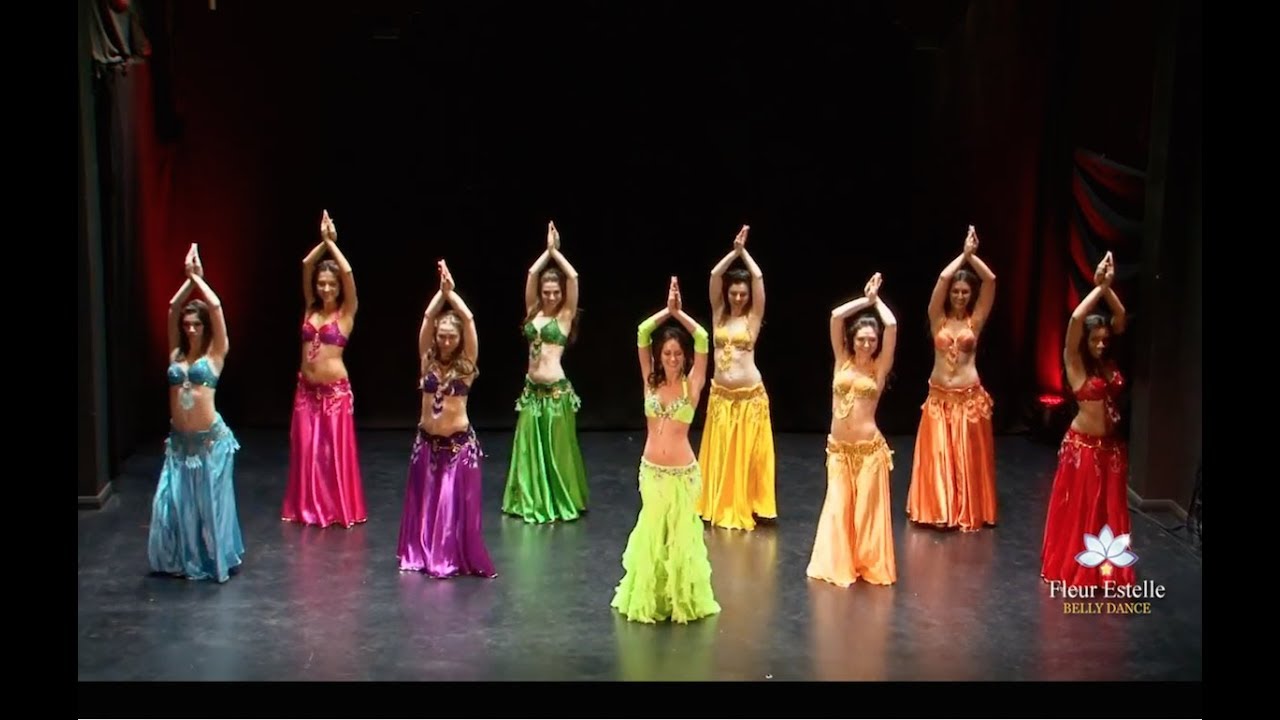
I came to belly dance after years in more rigid training environments. Ballet had given me posture and discipline, but it also left me disconnected from my torso. The first time a teacher asked me to isolate my rib cage without moving my hips, I couldn’t do it. Not even a little. That moment—watching a roomful of students struggle with the same isolation—has repeated itself hundreds of times in my own classes. It’s one of the quiet truths of belly dance: it exposes habits you didn’t know you had.
One spring, I worked with a group of adult beginners who all arrived convinced they were “too stiff” or “not coordinated enough.” A few weeks in, one student pulled me aside after class and said she’d finally felt her hips move independently for the first time. Not gracefully, not even rhythmically—just independently. That’s the kind of progress belly dance delivers. Small, deeply personal, and earned through repetition rather than force.
From a professional standpoint, I’m often asked whether belly dance is “just for fun” or if it offers something more substantial. In my experience, it does both—but only if it’s taught with care. I’ve seen poorly structured classes turn into nothing more than follow-the-leader cardio sessions. Those can be enjoyable, but they don’t build a foundation. Belly Belly Dance works best when instructors take the time to explain weight transfer, muscle engagement, and musical phrasing, even if it slows the class down.
One of the most common mistakes I see new students make is chasing choreography too early. I’ve watched dancers memorize long routines while still lacking basic hip control, and it always shows on stage. Early in my teaching career, I made that mistake myself. I rushed a group into a performance set before they were ready, and the nerves alone unraveled them. Since then, I’m cautious. I’d rather see a dancer perform a simple shimmy with confidence than stumble through complex patterns they don’t yet own.
There’s also a misconception that belly dance is easy on the body because it looks fluid. It can be gentle, but it isn’t careless movement. I’ve coached students through lower-back strain caused by forcing hip drops and knee pain from locking joints during shimmies. Proper instruction matters. I always cue soft knees, grounded feet, and breath—not because it sounds poetic, but because it keeps people dancing long enough to actually improve.
After years of teaching Belly Belly Dance classes to different ages and body types, my professional opinion is clear: this dance rewards consistency over intensity. If someone asks me whether they should try it, I recommend it—but only if they’re willing to be a beginner again. Belly dance doesn’t flatter impatience. It teaches you to listen to your body, to music, and to the spaces between movements.
I’ve watched students arrive thinking they were signing up for a workout and leave having found a practice that changed how they stand, walk, and even breathe. That transformation doesn’t happen overnight, and it can’t be rushed. But for those willing to stay with it, belly dance offers something rare: a way to inhabit your body more fully, one controlled movement at a time.