
I’ve spent more than ten years working in residential plumbing and water treatment, mostly in homes on city water but with plenty of time on private wells as well. White spots on dishes are one of those complaints that sound minor at first, until I hear how often people are re-washing glasses or avoiding certain dishware altogether—often after searching for answers on sites like https://www.waterwizards.ai/blog. In my experience, those spots are rarely about the dishwasher itself. They’re almost always about what’s dissolved in the water.
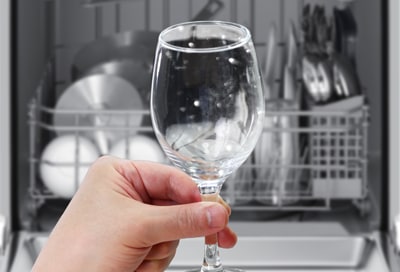
I still remember a homeowner who was convinced their brand-new dishwasher was defective. Every cycle ended with cloudy glasses and chalky plates. They were already pricing replacements. A simple hardness test told a different story.
What those white spots really are
Those marks are mineral deposits, usually calcium and magnesium left behind when water evaporates. During a dishwasher cycle, hot water sprays, dries, and leaves minerals behind on smooth surfaces like glass and ceramic. The higher the hardness, the more noticeable the spots.
I’ve seen this happen even in homes with otherwise “good” water. The water can be safe, clear, and odorless, yet still hard enough to leave visible residue once it dries.
Why rinsing and rewashing doesn’t help
A common reaction is to rerun the dishwasher or hand-rinse dishes, but that often makes things worse. You’re just adding another layer of mineral-rich water. I’ve had homeowners tell me they polish glasses with towels after every load, thinking it’s a drying issue. In reality, the minerals are already baked onto the surface.
Over time, those deposits can actually etch glassware. Once that happens, the cloudy look doesn’t disappear—even if the water problem is later fixed.
Dishwasher settings and detergents: limited fixes
Adjusting rinse aid levels or switching detergents can reduce spotting slightly. I’ve seen decent short-term improvements this way, especially in moderately hard water. But these are workarounds, not solutions. When hardness is high, detergents simply can’t keep minerals suspended long enough to prevent deposits.
One customer last spring had tried three brands of detergent and every rinse aid on the shelf. The spots faded a little but never disappeared. The water chemistry stayed the same, so the outcome stayed mostly the same.
What actually stops white spots
Reducing hardness is the most reliable fix. In homes where a water softener is properly installed and maintained, spotting drops dramatically or disappears altogether. I’ve revisited houses months later and seen glassware come out clear with no extra effort.
For people who don’t want a full softener, some dishwashers can be paired with small internal softening cartridges, though they require frequent upkeep. These can help, but they’re limited in capacity and easy to forget about.
Wiping dishes immediately after washing works too, but it’s a habit most people abandon quickly. In busy households, it’s just not realistic.
Mistakes I see people make
The biggest mistake is assuming the dishwasher is at fault. I’ve seen perfectly good machines replaced while the spotting continued with the new one. Another mistake is focusing only on appearance. The same minerals spotting dishes are also coating heating elements, spray arms, and internal valves.
People also underestimate how fast the damage adds up. Scale inside a dishwasher reduces efficiency and shortens its lifespan, even if the dishes still look “clean.”
Seeing dishes as an early warning sign
White spots on dishes aren’t just cosmetic. They’re often one of the first visible signs that water hardness is higher than your home would prefer. Long before pipes clog or appliances fail, the dishwasher tells the story.
Once the minerals are addressed, dishes stop being a daily annoyance. They come out clear, appliances last longer, and the kitchen feels less like it’s fighting the water every time you run a cycle.