
In times of unexpected change, wigs often become a gentle bridge between who a person was and who they are becoming, offering reassurance when confidence feels shaken. From the very first paragraph, it is important to acknowledge that this choice is not made lightly. It usually comes from a place of self-awareness and the desire to feel comfortable in one’s own skin again. What may seem like a simple outward adjustment can quietly restore emotional balance and help someone face daily life with renewed calm.
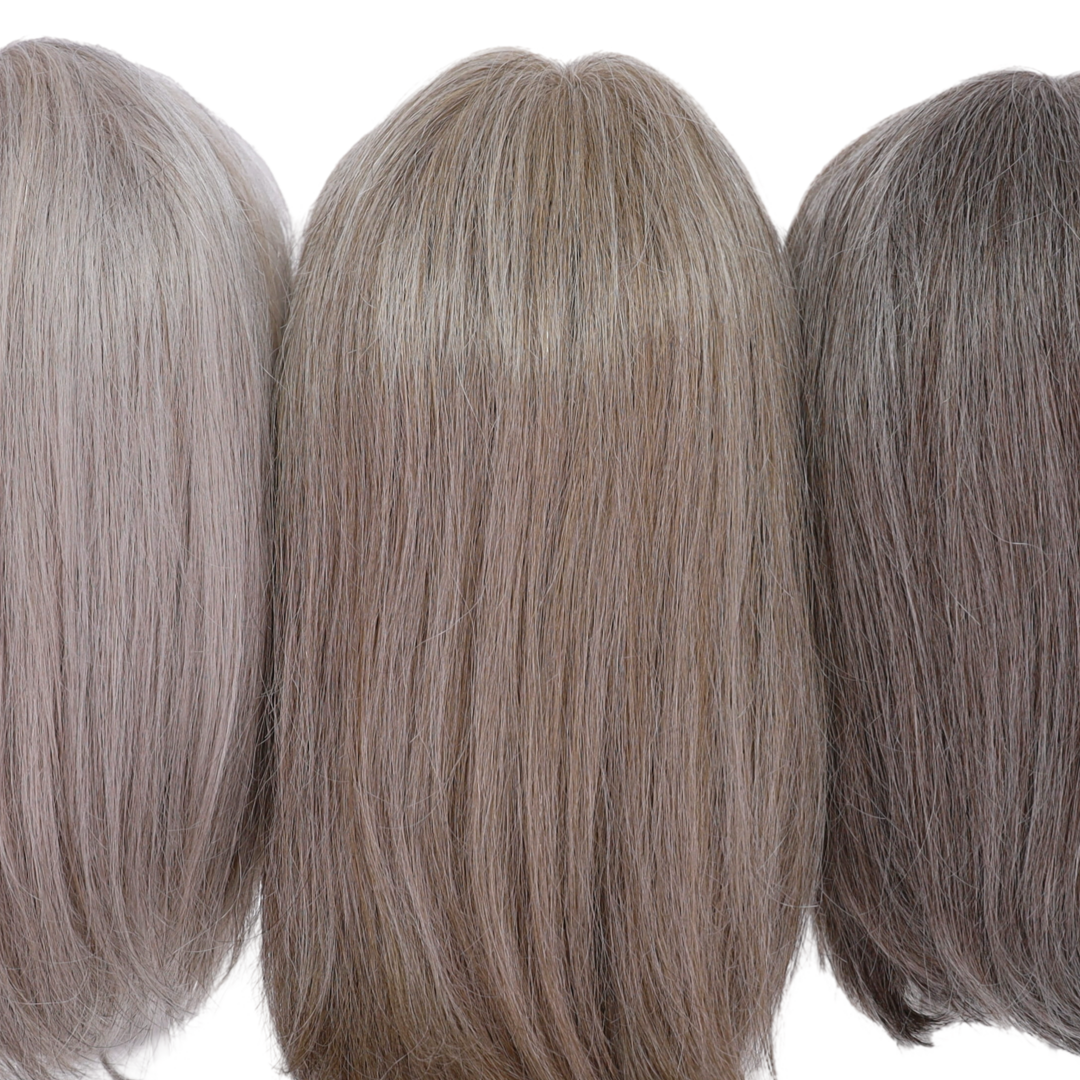
As life moves forward, the connection between appearance and inner confidence becomes more apparent. Hair has long been associated with identity, routine, and self-expression. When that familiar image changes, even temporarily, it can leave a person feeling disconnected. Restoring that sense of recognition is rarely about hiding reality; instead, it is about regaining comfort and control. Seeing a familiar reflection can ease social anxiety and make everyday interactions feel less overwhelming.
Each individual’s experience is shaped by personal circumstances. Some people take time to accept change, processing emotions slowly, while others adapt quickly with a practical mindset. Regardless of the approach, the emotional relief that often follows is real. I have noticed how people begin to stand a little taller and speak with more ease once they feel comfortable again. Small moments, like enjoying a conversation or attending an event without hesitation, regain their natural flow.
There has also been a noticeable shift in social attitudes. Personal appearance choices are increasingly met with understanding rather than judgment. This growing acceptance allows individuals to prioritize their own comfort instead of worrying about outside opinions. When people are free from the pressure to explain themselves, confidence develops naturally. It becomes less about meeting expectations and more about honoring personal needs.
Beyond necessity, there is creativity involved as well. Change can be empowering when it is chosen freely. Exploring different styles allows flexibility without permanence, giving people the freedom to adapt their look to different stages of life or roles they play. This sense of control can be uplifting, reminding individuals that they still have agency over how they present themselves to the world.
At the heart of this subject lies empathy. Everyone carries private struggles that are not always visible. Recognizing this helps foster kindness and understanding. What may appear to be a simple change on the surface often reflects a deeper emotional journey toward acceptance and stability. When we approach such choices with respect, we create a more supportive and compassionate environment for everyone.
In the end, confidence does not always return through dramatic transformations. Sometimes it arrives quietly, through thoughtful decisions that prioritize comfort and self-respect. When people feel at ease with themselves, it shows naturally in their interactions and presence. That quiet confidence, built on understanding and self-care, holds lasting strength and deserves appreciation rather than scrutiny.